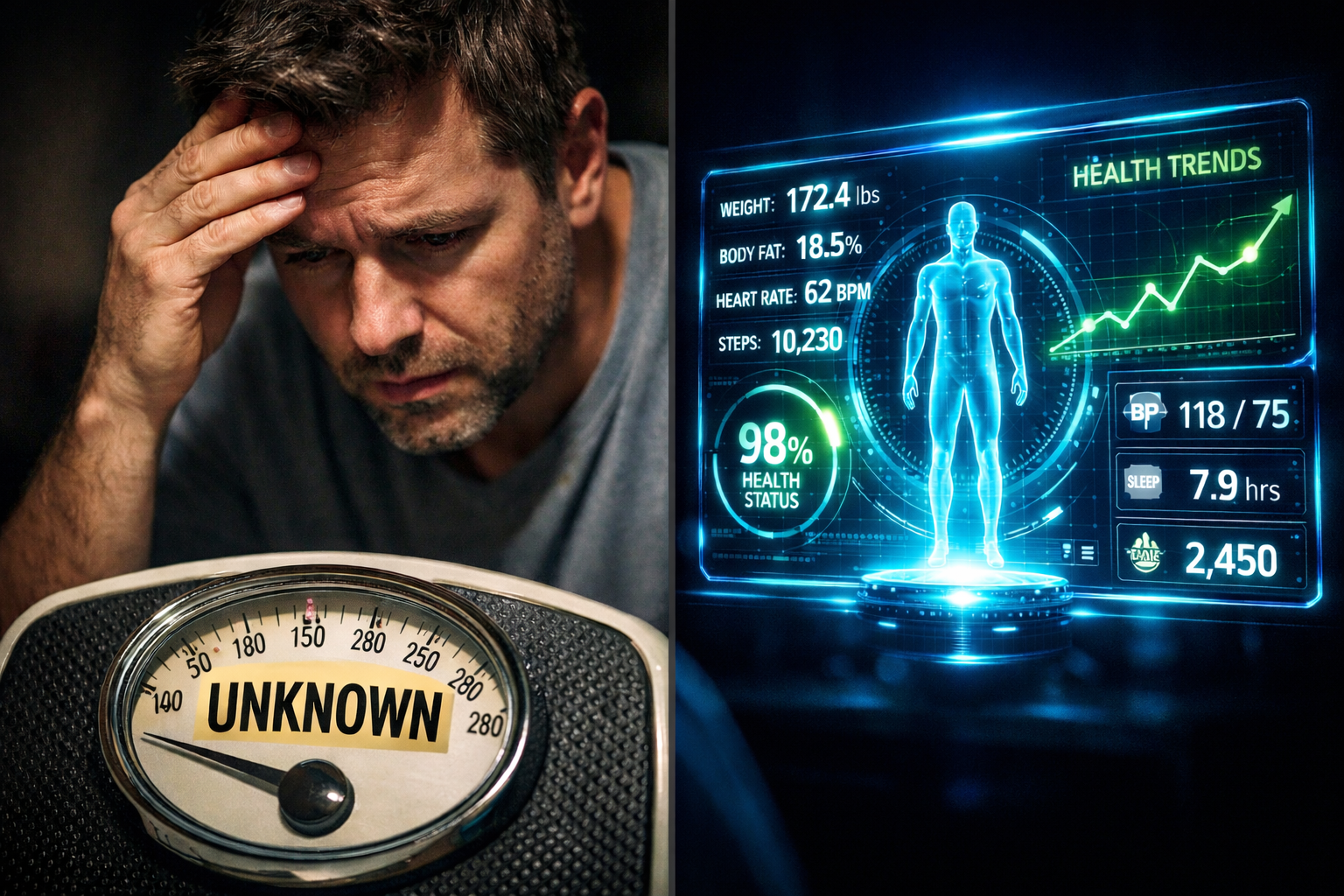
I have a confession to make: I don’t trust my annual physical exam.
Think about it from an engineering perspective. You take a complex system (the human body), run it for 8,760 hours a year, and then check the logs for 15 minutes once a year.
In the IT world, if I monitored a mission-critical server once a year, I would be fired. Yet, we do this with our hearts and arteries every day.
The problem isn’t the doctor; the problem is sampling rate. A single data point once a year is statistically insignificant. To actually manage your health—to prevent the “silent killers” like hypertension and arterial stiffness—you need continuous integration and continuous deployment (CI/CD) of health data.
You need to fire the “annual checkup” mindset and hire an algorithm. Here is how I built a dashboard for my body using simple Wi-Fi tools.
Transparency Note: This article contains affiliate links. As an Amazon Associate, I earn from qualifying purchases at no extra cost to you. This helps support the blog.
1. The Metric That Matters: Pulse Wave Velocity (PWV)
Most people buy a smart scale to see if they lost weight after Christmas. That is a waste of technology. Weight is a vanity metric; it doesn’t tell you if you are dying.
Why I like the Withings Body Scan not for my weight, but for Pulse Wave Velocity.
- The Science: PWV measures how fast the blood pressure wave travels through your arteries.
- The Logic:
- Slow Wave: Your arteries are elastic and healthy.
- Fast Wave: Your arteries are stiff (like an old, dried-out garden hose). This is a leading predictor of cardiovascular events.
You cannot feel arterial stiffness. Your mirror won’t show it. But this scale measures it every morning when I step out of the shower, logs it via Wi-Fi, and plots the trend line. If that line goes up, I know I need to fix my diet today, not next year.
Because these devices are Wi-Fi connected, they need a stable connection. (If your bathroom Wi-Fi is spotty due to tiles, check out my guide on fixing dead zones with MoCA adapters)
2. Debugging Sleep: It’s Not Just About “Hours”
If your server has 99% uptime but 50% packet loss, it’s useless. Similarly, sleeping 8 hours means nothing if 4 of those hours are fragmented.
Wearables (like watches) are okay, but they have a flaw: you have to remember to charge them and wear them. I prefer “Zero-Friction” monitoring.
Why I like the Withings Sleep Tracking Mat:
- How it works: It’s a pneumatic sensor pad that slides under your mattress.
- What it captures: It detects sleep cycles, heart rate, and most importantly, breathing disturbances (a sign of Sleep Apnea).
Sleep Apnea is another silent killer. It starves your brain of oxygen at night. This mat detects it automatically. No batteries to charge, no watch to wear. It just silently logs data to my health dashboard.
3. The “Dashboard” Lifestyle
The true power of “Connected Living” isn’t the gadget itself; it’s the API.
Because these devices are Wi-Fi connected (not just Bluetooth), they talk directly to the cloud. I don’t open an app to sync them. I just live my life.
- I step on the scale -> Data is sent.
- I sleep -> Data is sent.
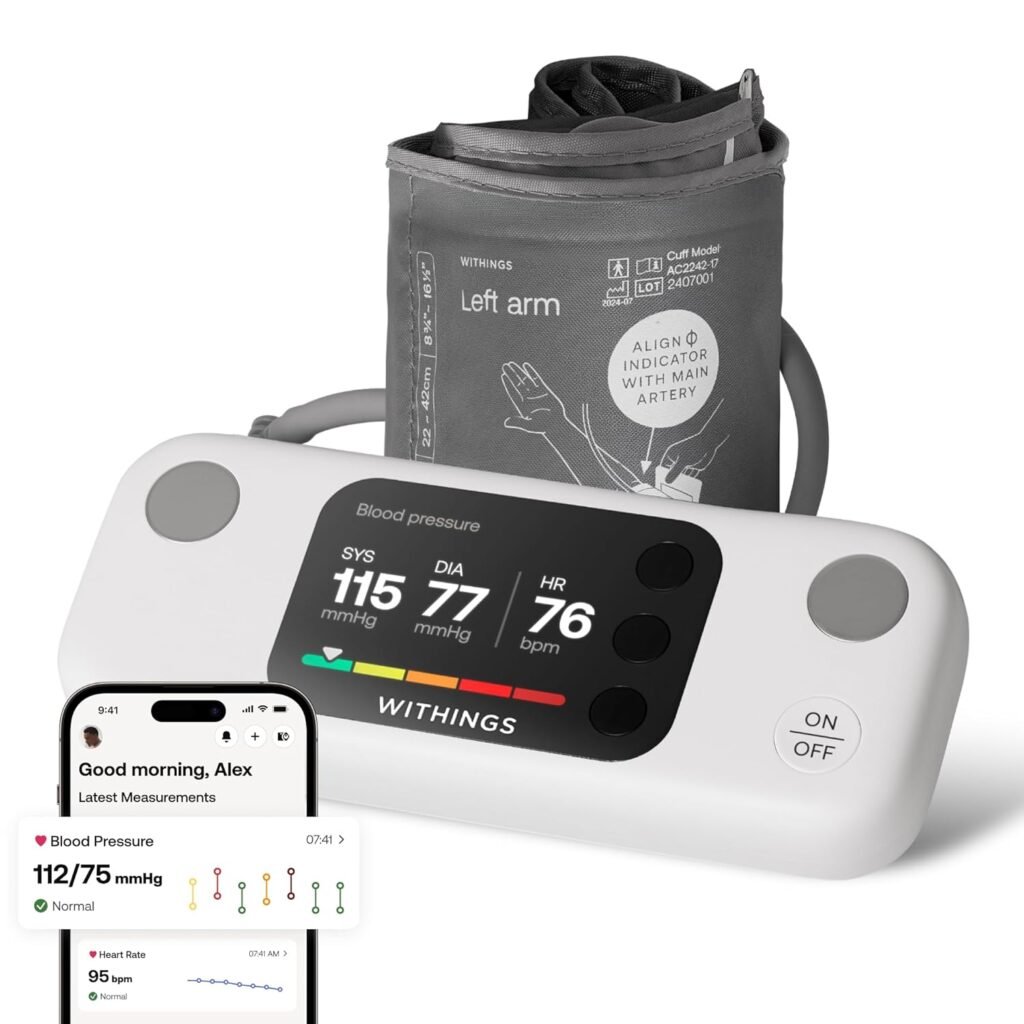
- I measure my blood pressure with the BPM Core -> Data is sent.
The result is a longitudinal dataset of my biology. When I do go to the doctor, I don’t say “I feel fine.” I pull out my phone and show him a 12-month graph of my arterial stiffness and nocturnal heart rate variability.
That changes the conversation from “guessing” to “engineering.”
The Engineer’s “Health Stack”
If you are ready to treat your body like a production server, here is the hardware stack I recommend.
1. The “Server Monitor” (Scale + ECG)
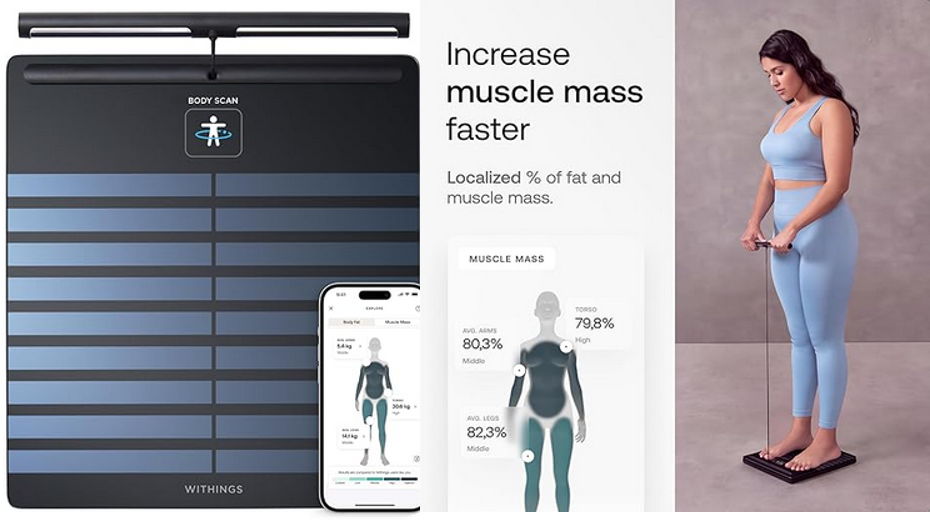
- Withings Body Scan This is expensive ($399), but it is the only scale with a retractable handle that performs a 6-lead ECG and measures segmental body composition (arms vs. legs vs. torso). It is the ultimate bio-data tool.
2. The “Passive Logger” (Sleep)
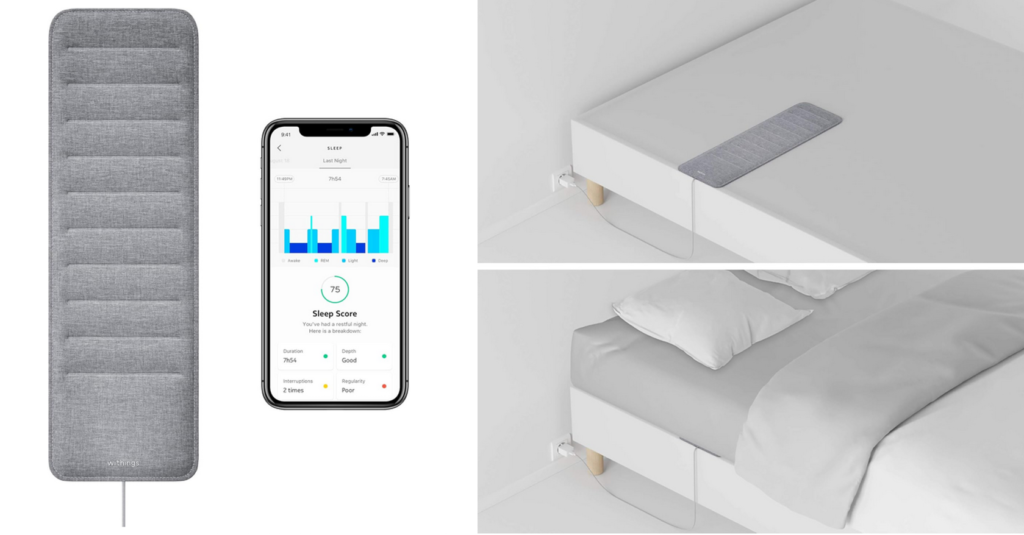
- Withings Sleep Analyzer Slide it under the mattress and forget it exists. It provides medical-grade sleep apnea detection. Essential for anyone who snores or wakes up tired.
3. The “Pressure Valve” (Blood Pressure)
- Withings BPMConnect Hypertension has no symptoms. This Wi-Fi cuff takes medically accurate readings and syncs them instantly. I keep one on my desk and test once a week.
🛠️ Engineer’s Corner: The “Impedance” Algorithm
How does a scale know your fat percentage? It uses Bioelectrical Impedance Analysis (BIA).
The scale sends a tiny, imperceptible electrical current up one leg and down the other. Since muscle (full of water) conducts electricity better than fat (insulator), the scale measures the resistance (impedance) and calculates the ratio.
Pro Tip: Always weigh yourself at the same time (morning) with the same hydration level. If you drink a liter of water, your impedance changes, and the data skews. Consistency > Accuracy.
Conclusion
You wouldn’t drive a car without a speedometer. You wouldn’t run a server without logs. Stop living in your body blindly. The technology to monitor the “silent killers” exists, it connects to your Wi-Fi, and it might just save your life.