
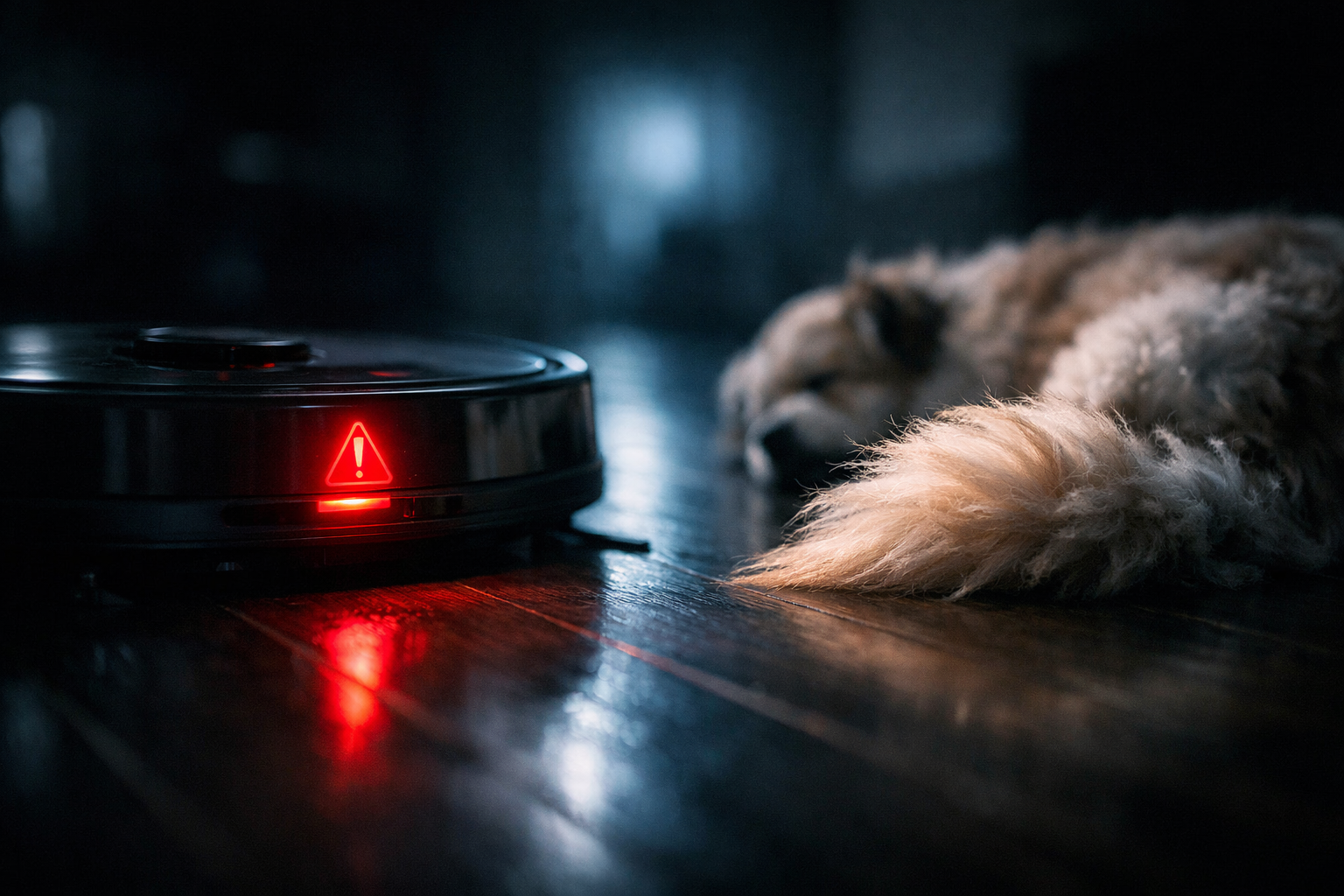
We buy smart home technology to make our lives easier, save time, and give us peace of mind. But sometimes, a blind trust in automation can lead to absolute disaster. I am an IT professional who builds smart home networks, but I learned about robot vacuum pet safety the hardest way possible.
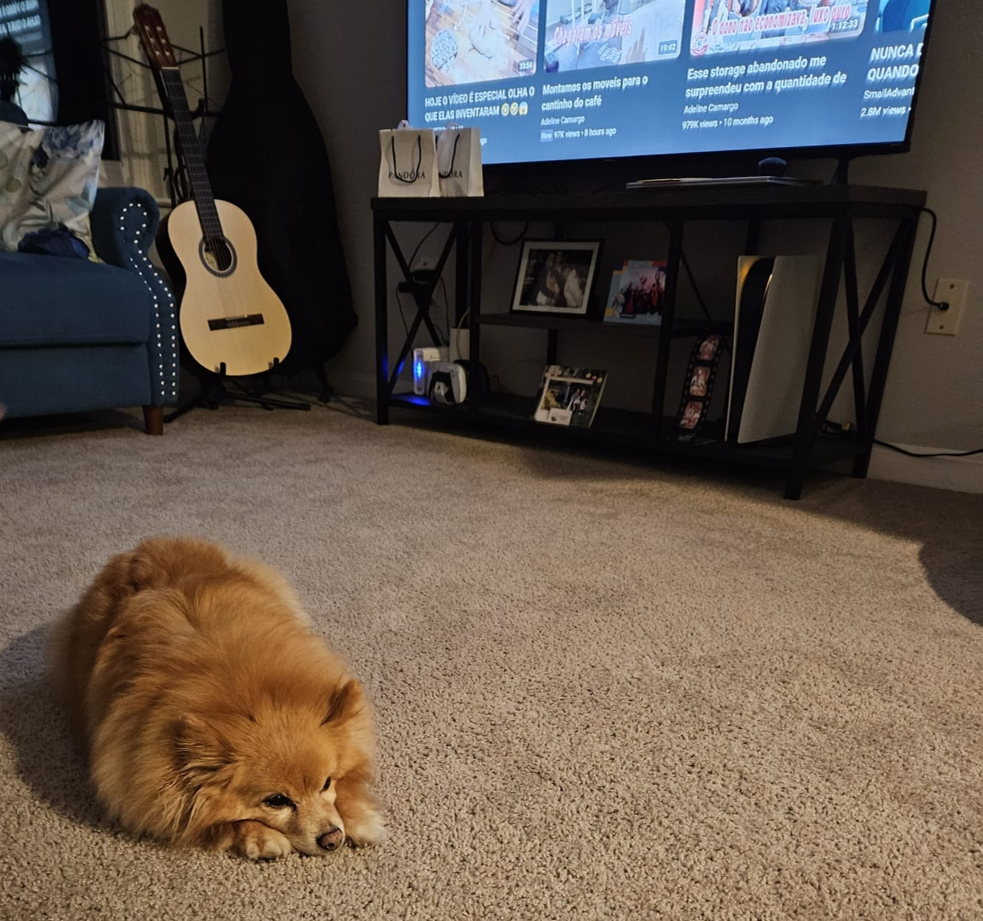
I had a beautiful, fluffy Pomeranian named Lis. One day, while I was out of the house, my standard robot vacuum started its scheduled cleaning routine.
Lis was a small dog with a long, thick coat. When the vacuum approached her while she was resting, it simply didn’t stop. The machine kept moving forward, and the powerful motorized main brush immediately caught her fur. In her absolute panic to escape the pulling machine, her tail broke.
It was a nightmare. The guilt of knowing a device I configured caused her pain was overwhelming.
The smart home industry loves to joke about robot vacuums spreading pet waste across the living room, but they completely ignore the real physical danger these machines pose to long ears, paws, and fluffy tails. Here is why your current vacuum might be a hazard, and 3 ways to prevent this from happening to your best friend.
Transparency Note: This article contains affiliate links. As an Amazon Associate, I earn from qualifying purchases at no extra cost to you. This helps support the blog.
The “Blindfold” Problem: Why Cheap Vacuums Are Dangerous
Imagine driving a car blindfolded and only turning the steering wheel when your bumper physically crashes into a brick wall.
That is exactly how standard, budget-friendly robot vacuums (usually under $200) navigate your home. They rely on a physical “bump sensor” on the front.
The fatal flaw? A fluffy tail or a sleeping puppy’s paw doesn’t feel like a solid brick wall to the robot. To a cheap vacuum, pet hair just looks and feels like a regular dust bunny. The machine rolls right over it without triggering the bumper, and the powerful roller brush underneath swallows the hair instantly.
3 Crucial Robot Vacuum Pet Safety Fixes
You don’t need to throw all your gadgets away, but if you have a dog or a cat, you must implement these three rules immediately.
1. Upgrade to a Vacuum That Actually “Sees”
If you have a pet, “bump and turn” navigation is unacceptable. You need a robot equipped with AI Obstacle Avoidance (often called LiDAR or camera navigation).
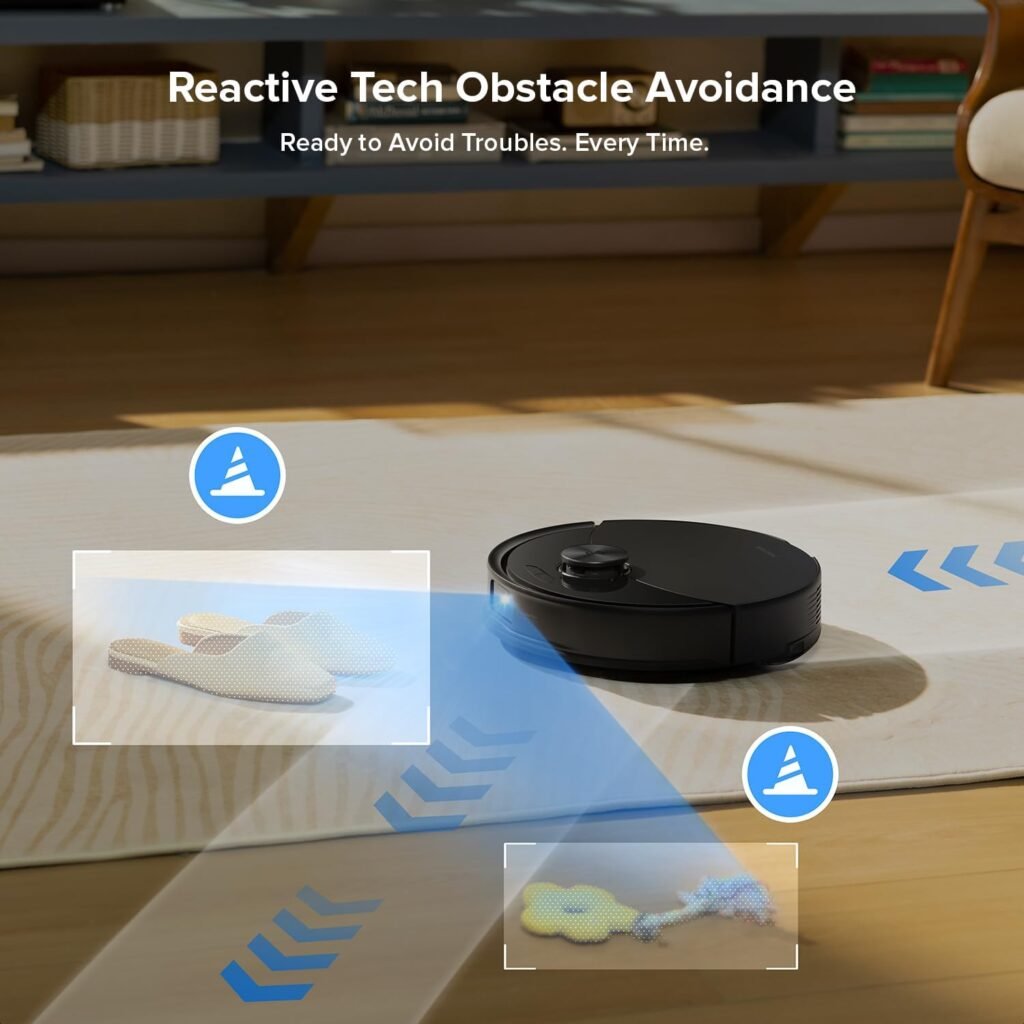
Think of this like self-driving car technology for your living room. Instead of crashing into things to find its way, the vacuum uses a front-facing camera to see the floor in real-time. If it spots a pet, a toy, or a power cord, the AI draws an invisible danger zone around the object and steers clear. It actively avoids touching your pet.
2. Draw “No-Go Zones” in Your App
Even with the smartest AI, you should always build a safety net. Open your robot’s smart map on your phone and draw permanent red squares (No-Go Zones) over your dog’s bed, their food bowls, and their favorite sleeping corners. The robot will treat these areas as invisible brick walls and never enter them.
3. Never Run on a Blind Schedule
Disable the automatic daily cleaning schedule while you are at work. Only start the vacuum when you are physically in the house to supervise, or if you can check your smart security cameras first to see where your pet is safely resting. (Tip: Make sure your cameras and vacuums are on a secure 2.4GHz network, as I explained in my guide to fixing smart feeder offline errors).
Recommended Vacuums That Actually Avoid Pets
If you are upgrading to protect your pet, look for models explicitly marketing “Obstacle Avoidance”. Here are the two models I actually trust around pets:
iRobot Roomba j9+:
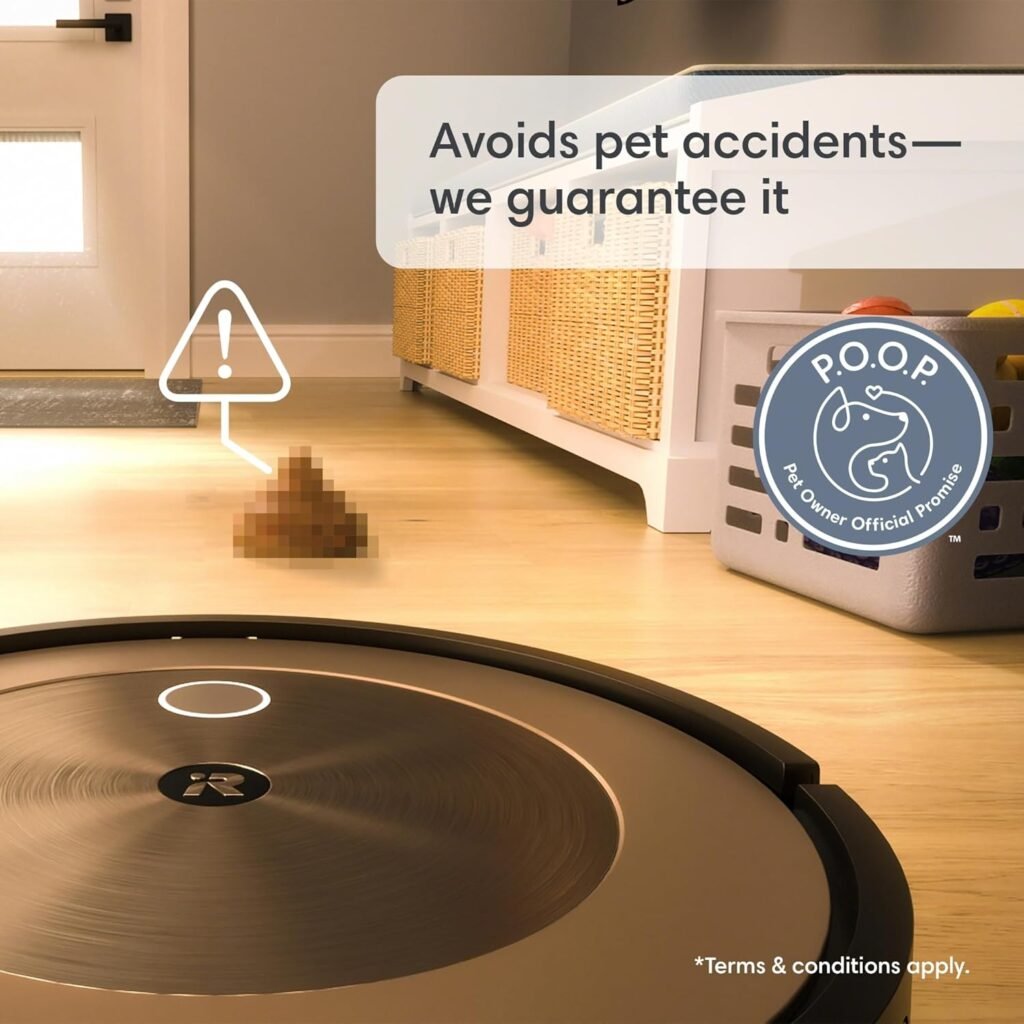
iRobot is the gold standard for pet safety. Their PrecisionVision Navigation is specifically trained to recognize and avoid pets. It also features double the suction power to handle thick pet hair, and they even offer a “P.O.O.P. Guarantee” where they will replace the vacuum if it fails to avoid pet waste.
Roborock Q10 S5+:
If you want premium obstacle avoidance without breaking the bank, this is a phenomenal choice. It uses advanced sensors to actively avoid your pet, features a “Dual Anti-Tangle Design” (which is an absolute lifesaver for dogs with long fur), and includes a self-emptying base and mopping capabilities.
Don’t let a budget gadget compromise the safety of your family. Check your hardware, update your digital maps, and keep your pets safe.
Don’t miss the following related articles: