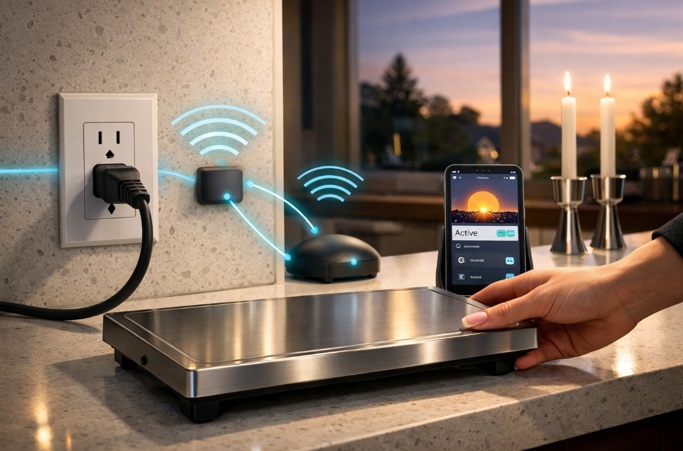
Friday afternoon is always a race against the clock. The food is cooking, the table is set, and sundown is quickly approaching. In a smart home designed for Shabbat, the kitchen is the absolute center of operations. But it is also the most dangerous room if you choose the wrong automation hardware.
Many people make the critical mistake of buying the cheapest smart plug they can find online and plugging their Shabbat hot plate into it. Twenty four hours later, they smell burning plastic. Worse, if the internet goes down, their cloud dependent schedule fails, leaving the hot plate on all weekend.
As an engineer, I cannot stress this enough: automating your Shabbat kitchen is not just about convenience, it is about fire safety and local reliability. Here is the technical guide to safely automating your heavy kitchen loads.
This is the second post of a series to help with Shabbat Smart Home. Check the first article: Designing the Architecture of Rest: A Senior Engineer’s Guide to the Shabbat Smart Home and the third: What if Your Home Knew it Was Shabbat Before You Did? The Smart Guide to automate your lights (Shabbat Proof)
Transparency Note: This article contains affiliate links. As an Amazon Associate, I earn from qualifying purchases at no extra cost to you. This helps support the blog.
1. The Physics of the Shabbat Hot Plate (Resistive Loads)
The biggest enemy of a cheap smart plug is a continuous resistive load. Devices like a Shabbat hot plate (plata), a slow cooker, or a water urn draw maximum electrical current continuously to generate heat. They pull massive amperage for twenty five hours straight.
Cheap Wi Fi smart plugs have tiny internal relays. Under a continuous resistive load, these relays overheat, fuse together, and melt. You need a device explicitly rated for 15 Amps continuous duty with ETL or UL certification.
Do the math before you plug anything in. A standard Shabbat hot plate usually draws between 400 and 600 Watts, which is perfectly safe for a high quality 15 Amp smart plug capable of handling up to 1800 Watts. However, electrical codes state that for a continuous load running over three hours, you should never exceed 80% of the maximum capacity. Always check the manufacturer sticker under your hot plate or slow cooker. If your combined appliances pull more than 1400 Watts, skip the plug in modules entirely and upgrade directly to a hardwired in wall smart outlet.
2. The Local Execution Rule (No Cloud Allowed)
In our previous architecture guide, we established the golden rule of the Shabbat smart home: Local Execution. If your internet service provider goes down on Friday night, a standard Wi Fi plug will lose its connection to the cloud timer. Your hot plate will never turn off.
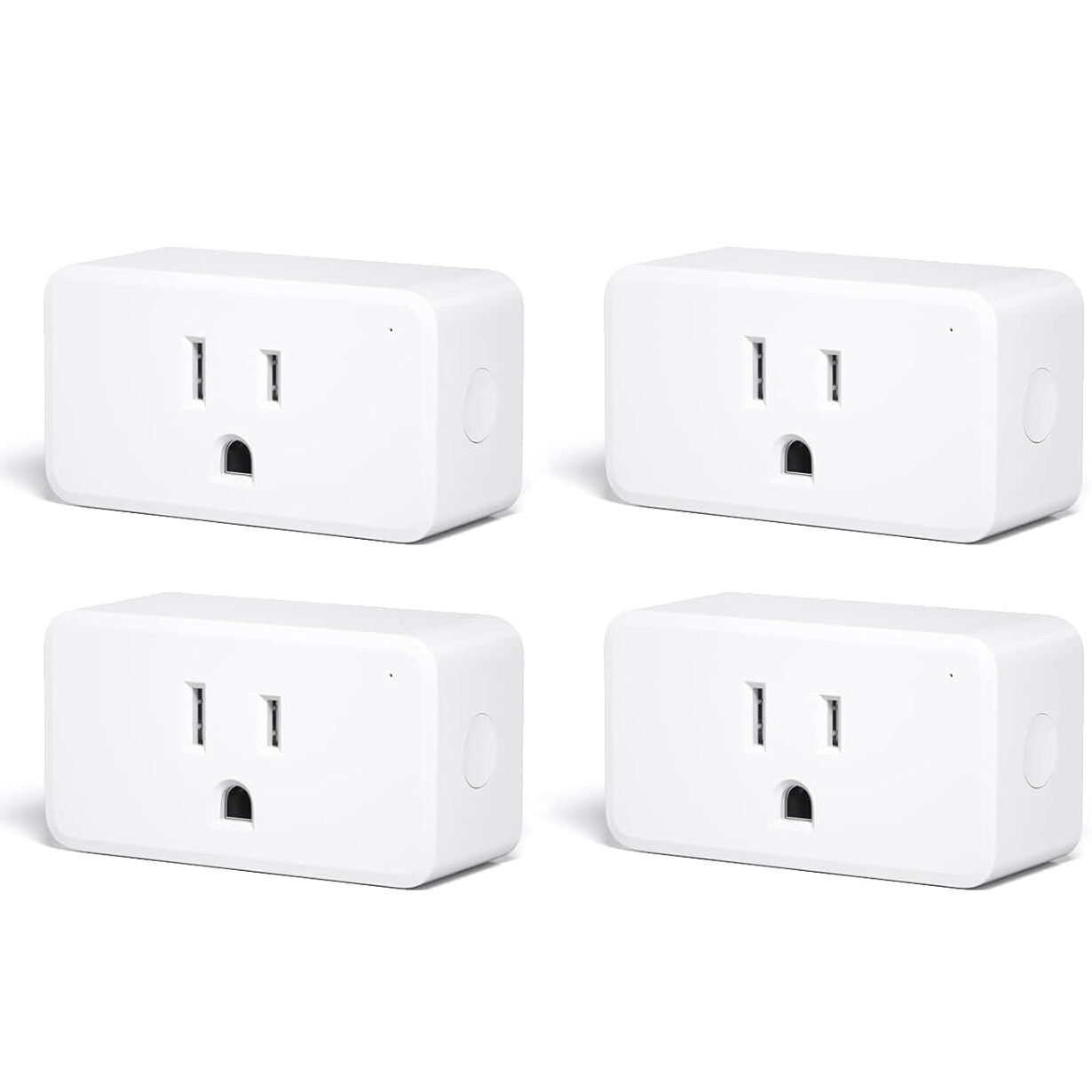
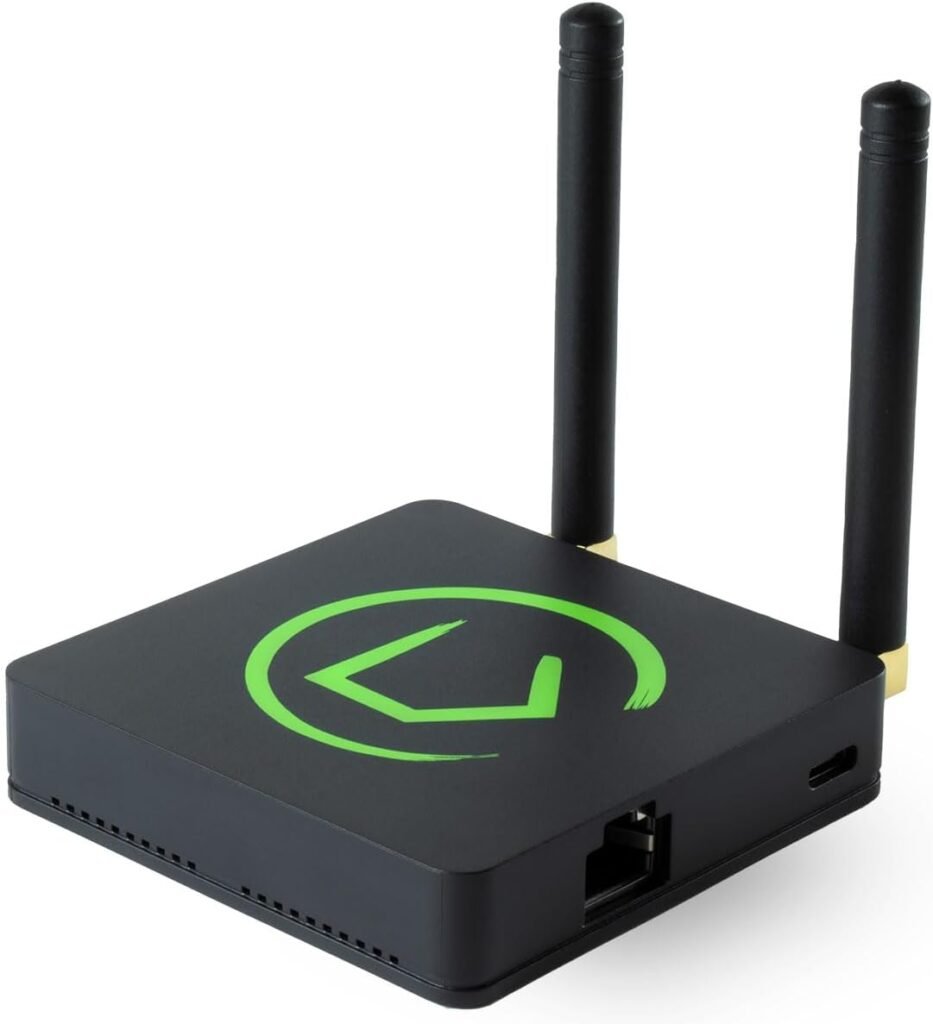
To prevent this, you must use smart plugs that communicate via local protocols like Zigbee, Z Wave, or Matter. Devices like the ThirdReality Zigbee Smart Plug talk directly to your local hub. The schedule is stored locally inside your house. Even if the entire city loses internet, your hot plate will turn off exactly at the scheduled time.
Joe’s Engineering Warning: While the Amazon Echo has a built in Zigbee hub and is fully compatible with these plugs, I strongly advise against using Alexa for critical Shabbat schedules. Amazon routines rely entirely on their cloud servers to execute time based automations. If your internet connection drops, Alexa will not trigger your Friday sunset routine, even if the plug is Zigbee. You must stick to true local execution hubs like Apple Home, Hubitat, or Home Assistant for ultimate reliability.
3. The Astronomical Clock (Set It and Forget It)
This is where the true magic of the smart home happens. You no longer need to check the calendar every Friday to manually adjust those clunky mechanical dial timers. Modern local hubs like Apple Home or Hubitat feature a built in astronomical clock. They know exactly when the sun sets in your specific zip code every single day of the year.
Setting this up is incredibly easy. You do not need to be a programmer. Inside your smart home app on your phone, you simply create one single rule: turn on the Shabbat hot plate exactly forty five minutes before sunset on Friday, and turn it off one hour after sunset on Saturday.
You program this logic once, and the system automatically shifts the times throughout the seasons. You save electricity by not running the plate unnecessarily early on long summer days, and you completely eliminate the pre Shabbat panic of rushing to plug everything in.
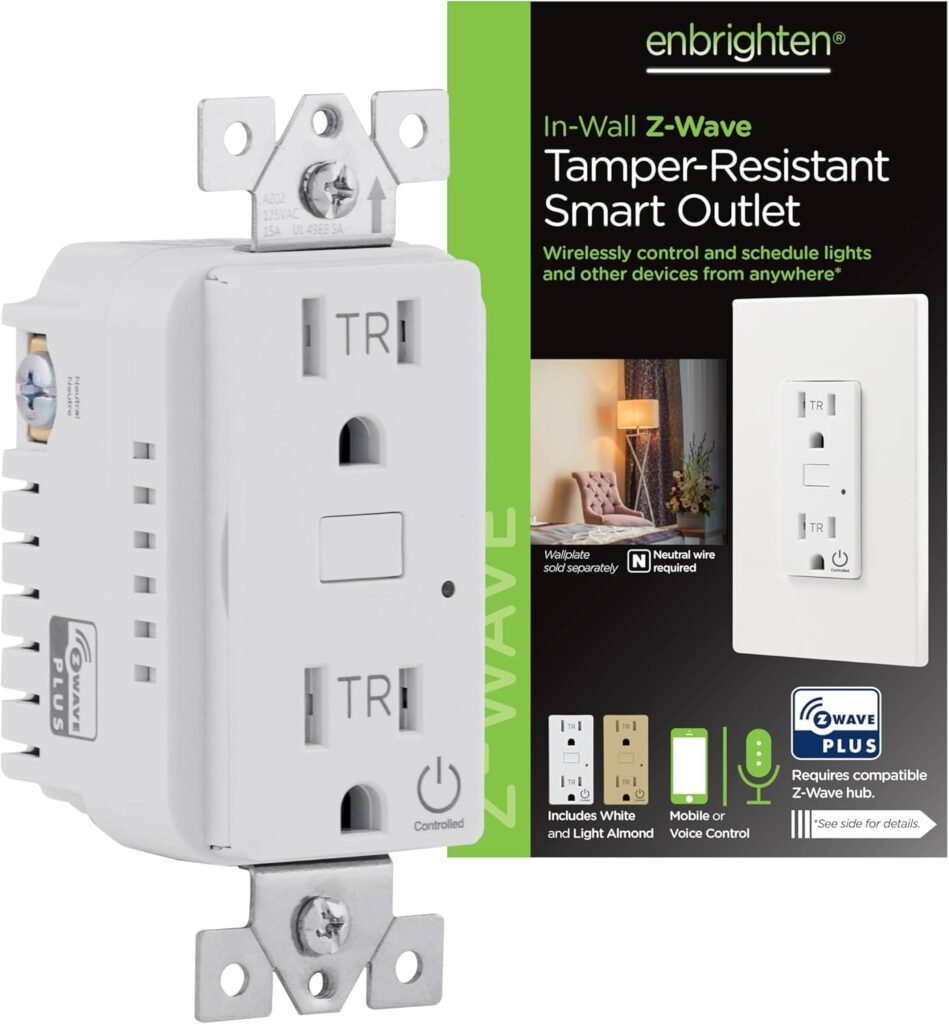
4. The Ultimate Upgrade: In Wall Smart Outlets
Joe’s Engineering Tip: If you own your home, stop using plug in modules. The safest solution is to replace the standard wall receptacle with a smart in wall outlet. Devices like the Enbrighten Z Wave Receptacle are hardwired directly into your home electrical grid. They handle heavy loads effortlessly, look completely natural, and nobody can accidentally unplug them while wiping down the kitchen counter. [ Check Price for In Wall Smart Outlets on Amazon ]
5. The Refrigerator Challenge
Modern refrigerators are packed with digital sensors and LED lights that activate the moment you open the door. Opening that door on Saturday is a direct violation of Shabbat rules.
While brands like GE offer a brilliant add on module called the Shabbat Keeper that automates this entirely, most standard fridges require a physical hardware bypass. Most modern doors use magnetic reed switches instead of physical push buttons.
You can safely trick the refrigerator logic board by placing a strong magnet directly over the internal sensor right before sundown. People often ask if this damages the appliance electronics. As an engineer, I can assure you it does not. A reed switch is naturally designed to be triggered by a magnetic field. You are simply holding it in its default closed state, generating zero risk of electrical shorts or logic board failure.
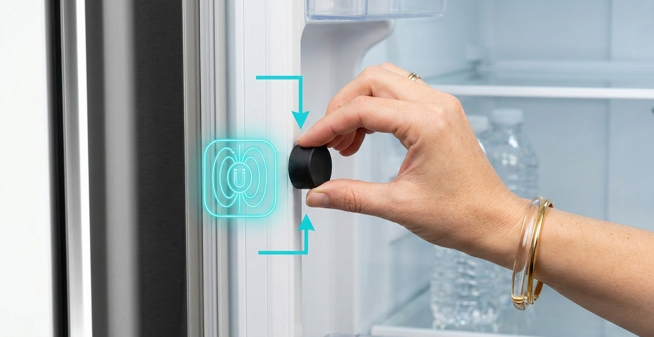
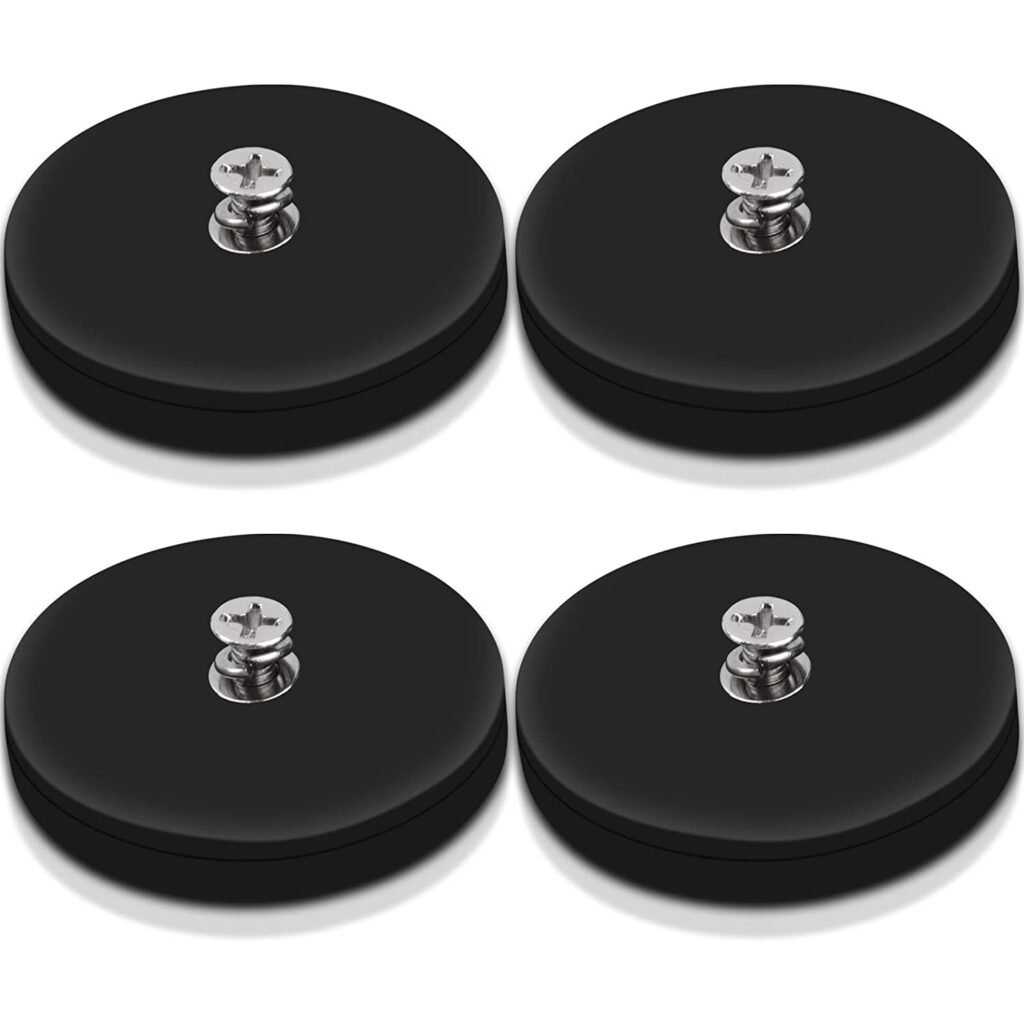
However, do not use a cheap, bare metal magnet that will scratch your expensive stainless steel appliance. You need to buy rubber coated neodymium magnets. They are incredibly strong, completely waterproof, and the rubber skin protects your refrigerator finish. Just place it over the sensor, and the fridge will think the door is permanently closed.
Engineer’s Verdict
“Do not cut corners in the kitchen. By investing in heavy duty, locally controlled relays, you ensure your hot plate operates safely regardless of your internet connection. Set up a simple sunset automation to save energy and eliminate stress, bypass your refrigerator sensors elegantly, and enjoy your day of rest with total peace of mind. Stay tuned for part three of this series, where we will tackle the heavy infrastructure: the main water boiler and HVAC automation.”
Need Help Building This? Let Us Talk
My primary goal with this guide is to give you all the engineering knowledge you need to build a safe Shabbat smart home yourself. However, I know that dealing with electrical loads, local hubs, and automation apps can be overwhelming if you just want things to work flawlessly.
If you want the peace of mind of a professionally designed system without the headache of setting it up, I am here to help. Whether you need a quick remote consultation to double check your hardware choices, or you want full guidance to design your entire home architecture, reach out to me.
[ Click here to visit my Contact Page ] and let us build your perfect, stress free day of rest together.