
Transparency note: As an Amazon Associate, practicalnetworkguide.com earns from qualifying purchases at no extra cost to you.
If you are paying a landscaping crew to cut your grass, you are bleeding money. Let us look at the real numbers. At fifty to eighty dollars per cut over a twenty five week season, you easily spend between 1250 and 1500 dollars a year. A smart robotic lawn mower costs exactly that and pays for itself in the first year. From year two on-wards, that is 1500 dollars staying in your pocket while you get your weekend back.
The hardware is finally ready for prime time. Brands like Husqvarna and Worx have perfected the autonomous cut. But before you add one to your cart, there is a critical engineering problem you must solve first: your backyard Wi-Fi network.
If your robot loses signal near the fence, it turns into a very expensive brick. Here is the senior engineer guide to fixing your outdoor network and choosing the right mower.
The Financial ROI: Robot vs. Landscaping Crew
If you currently pay a local landscaping service to cut your grass, upgrading to a smart mower isn’t a luxury. It’s a massive financial upgrade.
Let’s look at the math. The average American lawn care service charges between $50 and $80 per cut for a standard suburban yard. Over a typical 25-week mowing season, you are easily spending $1,250 to $1,500 every single year just to keep the grass short.
A premium wire-free robotic mower costs around $1,500. This means the robot completely pays for itself in year one. By year two, that is $1,500 staying in your bank account, and you still get a perfectly manicured lawn every single day without lifting a finger.
Find the Right Mower for Your Yard Size
When it comes to robotic mowers, Husqvarna is the undisputed king of reliability. They practically invented the category over 25 years ago. We’ve broken down their best DIY-friendly Automower® models available on Amazon by property size. Pick your category, and let the robot do the rest.
Up to 0.4 Acres (The Small Yard)
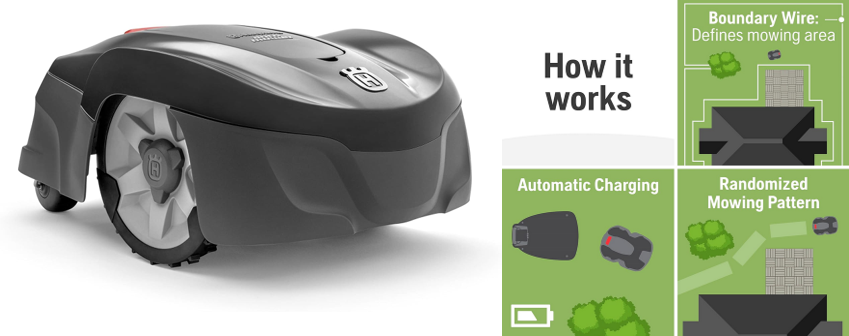
For smaller yards, you don’t need to spend thousands on satellite tech. The Automower 115H is the perfect entry-level premium machine. Yes, it is a “wired mower”, meaning you have to peg a boundary wire around the edges of your yard to show it where to cut. But for 0.4 acres, this is a simple Saturday morning DIY task. It’s highly reliable, cuts beautifully, and connects to your phone via Bluetooth/Cellular.
Up to 0.5 Acres (The Classic Suburban Yard)
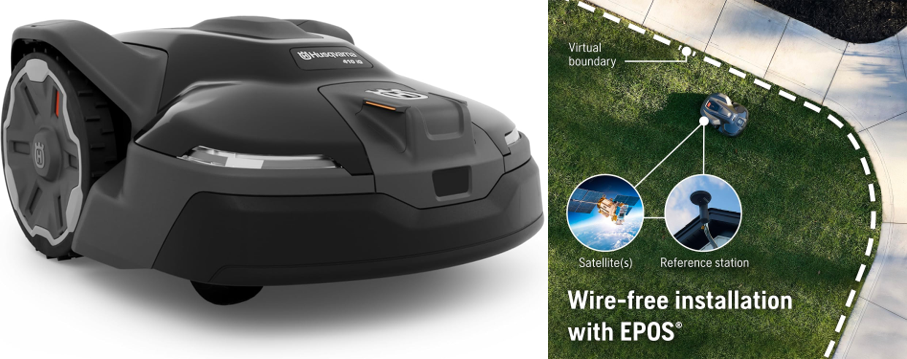
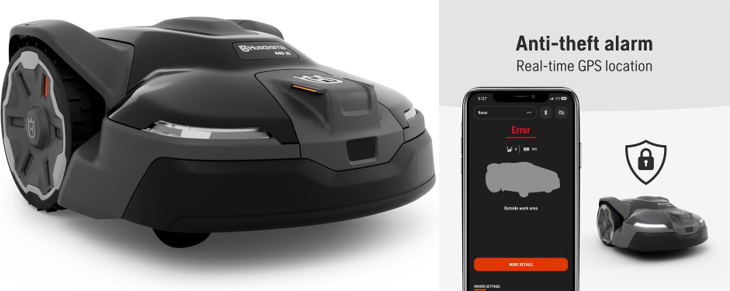
Once you hit half an acre, you might want to leave the copper wire behind. Enter the Automower 410 iQ, Husqvarna’s entry into wire-free mowing. It uses a combination of GPS, cameras, and sensors (Husqvarna’s EPOS technology) to know exactly where it is. There are zero wires to bury! You just use the app to drive the mower around the edge of your yard to create a virtual boundary.
Up to 1 Acre (The Large Lawn)
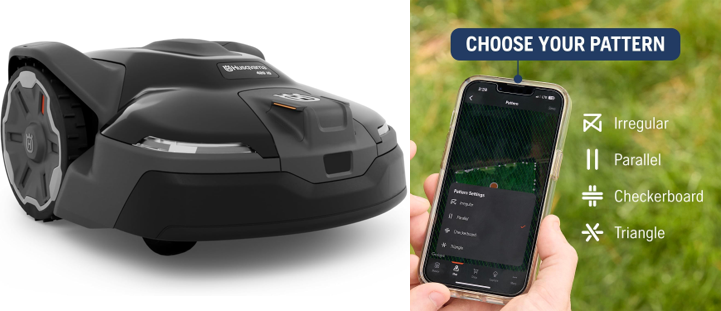
If your property is up to 1 acre, you need a bigger battery and faster cutting speeds to keep up with the grass growth. The Automower 420 iQ gives you all the wire-free, satellite-guided benefits of the 410 iQ but with the capacity to handle a much larger footprint. It handles complex yard shapes, easily navigates narrow passages, and automatically returns to its charging station when it needs juice.
Up to 2 Acres (The Mini-Estate)
For massive properties up to 2 acres, this is the absolute top-tier DIY machine you can get before needing to hire a professional dealership. The Automower 440 iQ is a heavy-duty beast designed to run day and night. It handles multiple zones—meaning it can cross your driveway to cut the front yard, then drive itself to the backyard seamlessly. It is an investment, but it completely replaces the need for an expensive landscaping crew or sacrificing your entire Saturday on a tractor.
Wi-Fi Signal Doesn’t Reach the Whole Yard?
Your new mower needs to talk to the app on your phone to tell you when it’s done cutting, or to alert you if it gets stuck on a fallen branch. The problem is that the Wi-Fi router sitting in your living room struggles to push a signal through thick exterior walls.
If your mower loses signal in the back corner of your yard, it gets confused. But fixing this is incredibly easy. You have two simple DIY options:
1. The Outdoor Mesh Repeater: If you have a standard outdoor power outlet on your patio, you can simply plug in an outdoor-rated Wi-Fi mesh repeater (like the TP-Link Deco Outdoor). It catches the signal from inside your house and blasts it across the yard.
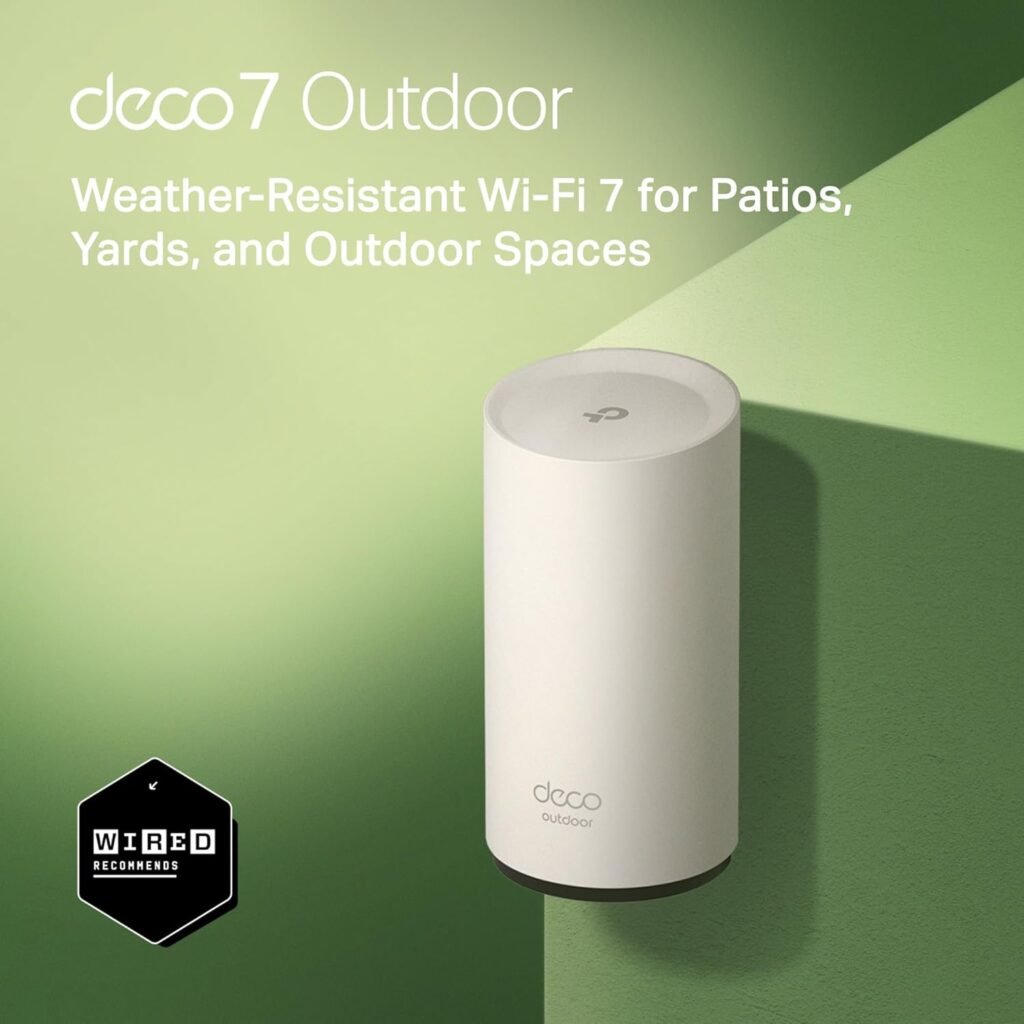
2. The Power over Ethernet (PoE) Trick (The Bulletproof Method): This is what network pros use, but it is 100% DIY-friendly. You mount an Outdoor Mesh Repeater (above) on your exterior wall. “PoE” sounds fancy, but it just means the internet cable carries both the data and the electricity to the antenna. You don’t need a power outlet outside! It’s one wire, and boom you have perfect Wi-Fi all the way to the fence line.
To set this up, you only need two accessories:
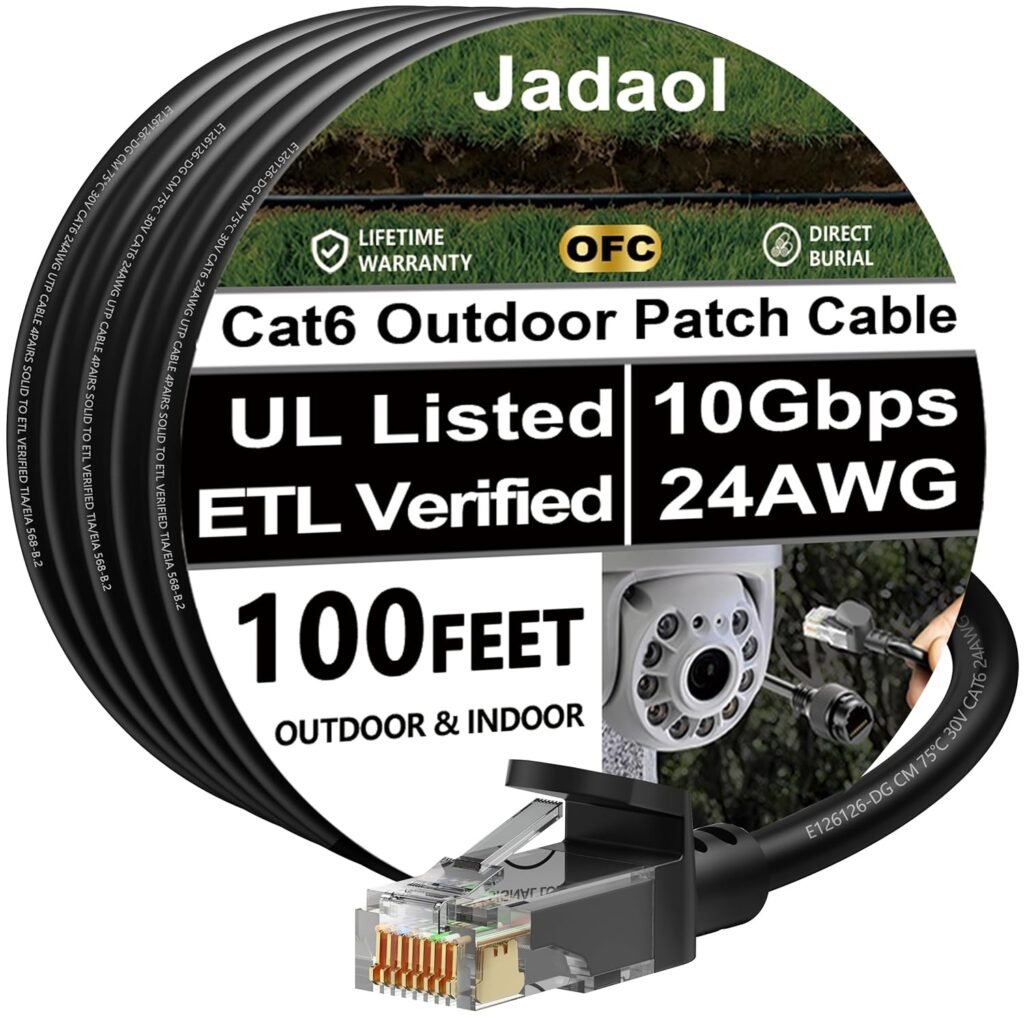
Outdoor-Rated Ethernet Cable: Do not use a regular indoor computer cable outside. The sun and rain will destroy it in months. Spend a few extra bucks on a weatherproof, UV-resistant cable so you only have to do this job once.
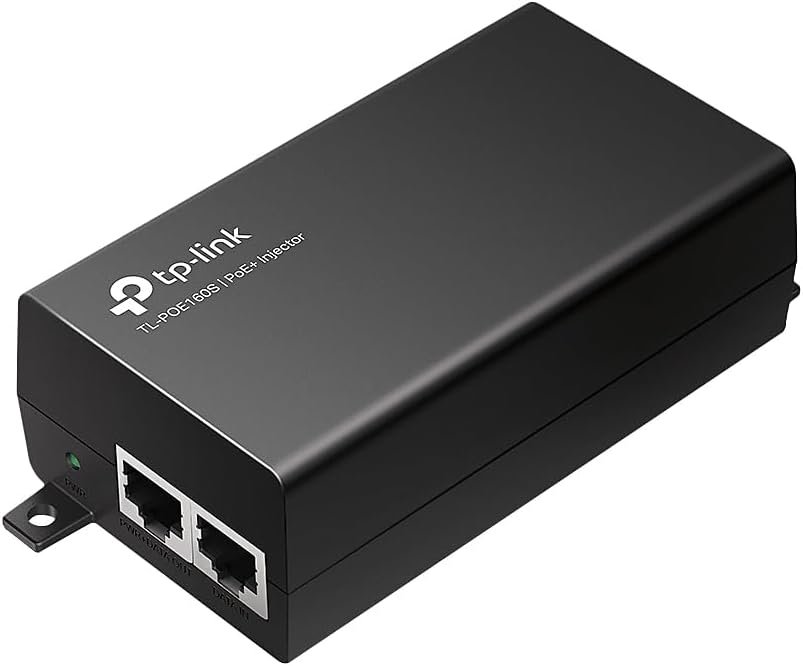
A PoE Injector: This is a small power brick that stays inside your house. You plug your router into it, plug it into the wall outlet, and it shoots the power down the cable to your outside antenna. (Pro tip: Check your Access Point box, some models include this for free!).
With your outdoor network engineered correctly, your new Husqvarna will stay connected whether it is cutting the front yard or the back fence.
If you need more help with Wi-Fi signal you can check those articles:
Conclusion: Take Your Saturday Back
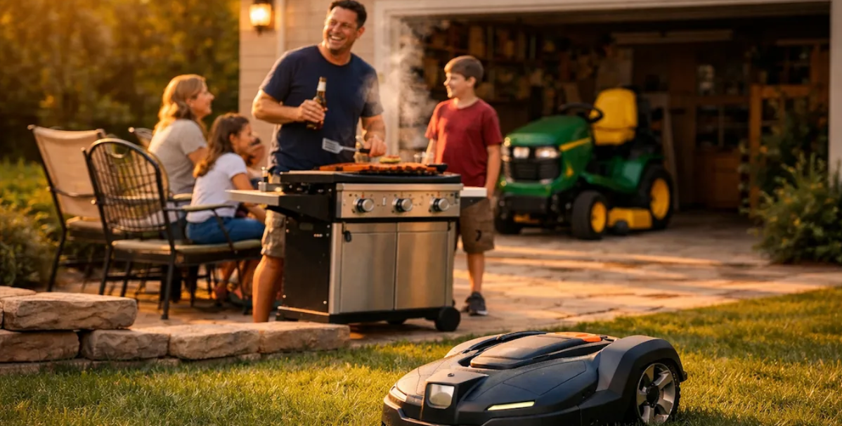
Automating your lawn care is the ultimate home upgrade. With a simple outdoor Wi-Fi tweak and the right mower for your acreage, you can say goodbye to the sweaty Saturday chores. Pick your mower, fire up the grill, and enjoy your weekend.