
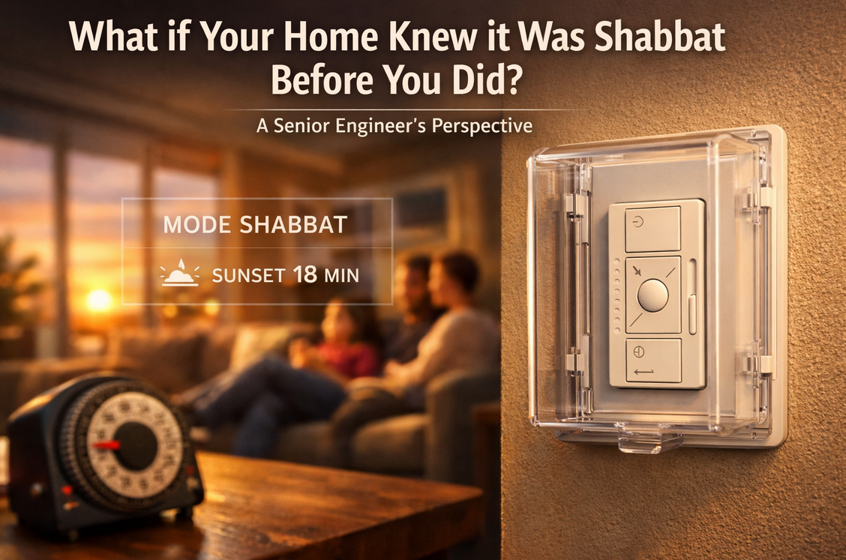
I have ADHD. While my brain is a magnificent machine for solving complex network architectures and debugging server logs, it is notoriously terrible at remembering small, repetitive manual tasks. If I were a religious Jew, Friday afternoon would be my weekly nightmare. I would likely forget a timer, flip the wrong switch out of habit, and spend my day of rest in a dark room wondering where I went wrong.
Engineering a smart home is not just about cool gadgets; it is about building a system that is more resilient than our own human error. If you missed the first two steps of this architecture, I highly recommend catching up:
- Part 1: End Friday Panic: The Shabbat Smart Plug Guide
- Part 2: Designing the Architecture of Rest: A Senior Engineer’s Guide
In this final part of our series, we are going to build a “Stealth House” that protects you from your own muscle memory.
The Biology of Failure: Why Manual Timers Fail Us
Most people rely on those clunky, mechanical timers with the little plastic pins. As an engineer, I see those as a single point of failure. If you have ADHD or a busy family with toddlers, a manual timer is a recipe for stress. You have to remember to adjust them as the seasons change and the sunset moves.
Worse yet, manual timers do nothing to stop your muscle memory. You walk into a bathroom, and before you can think “It is Shabbat,” your hand has already flipped the switch.
The Roadmap to a Fail Safe Shabbat
To help you visualize this architecture, here is the strategic breakdown of how we build this “Stealth” layer:
| Section | Suggested Title | What We Deliver |
| Intro | The End of Accidental Violations | Solving the challenge of muscle memory and children’s interactions. |
| Layer 1 | Physical Guards: The 2 Dollar Safety Net | Simple mechanical solutions to prevent accidental clicking. |
| Layer 2 | Logical Lockout: Disabling the Relay | Using Hubitat to “kill” or decouple the physical button. |
| Layer 3 | The 24-Hour Cycle: Dimming for Comfort | Creating an automatic “Night Light” for safety and visibility. |
| Conclusion | Engineering Peace, Not Just Light | Why resilient automation is the key to a stress-free Shabbat. |
Transparency Note: This article contains affiliate links. As an Amazon Associate, I earn from qualifying purchases at no extra cost to you. This helps support the blog.
Layer 1: The Infrastructure Choice (Switches Over Bulbs)
The first rule of a resilient smart home is to never use smart bulbs for primary lighting. If someone flips the physical switch on the wall, the bulb loses power, the Wi-Fi connection dies, and your automation is gone.
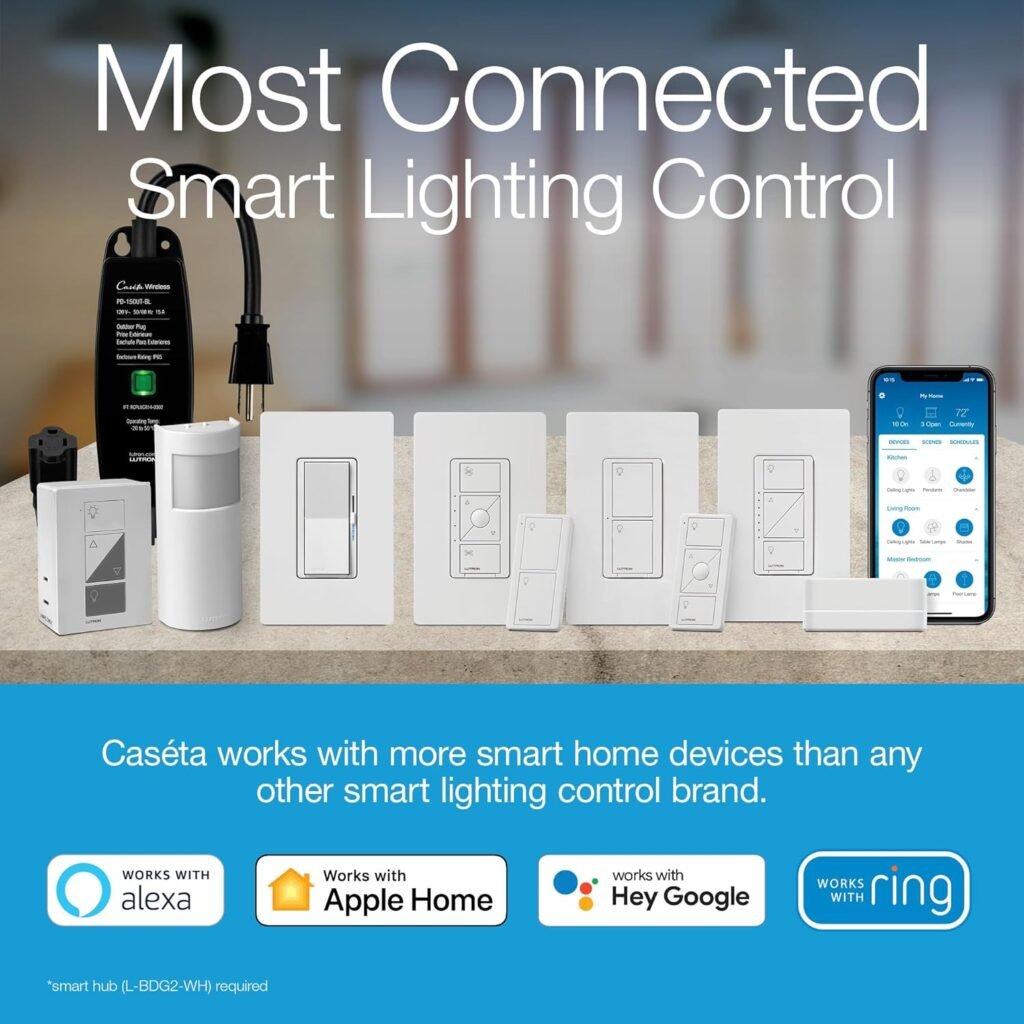
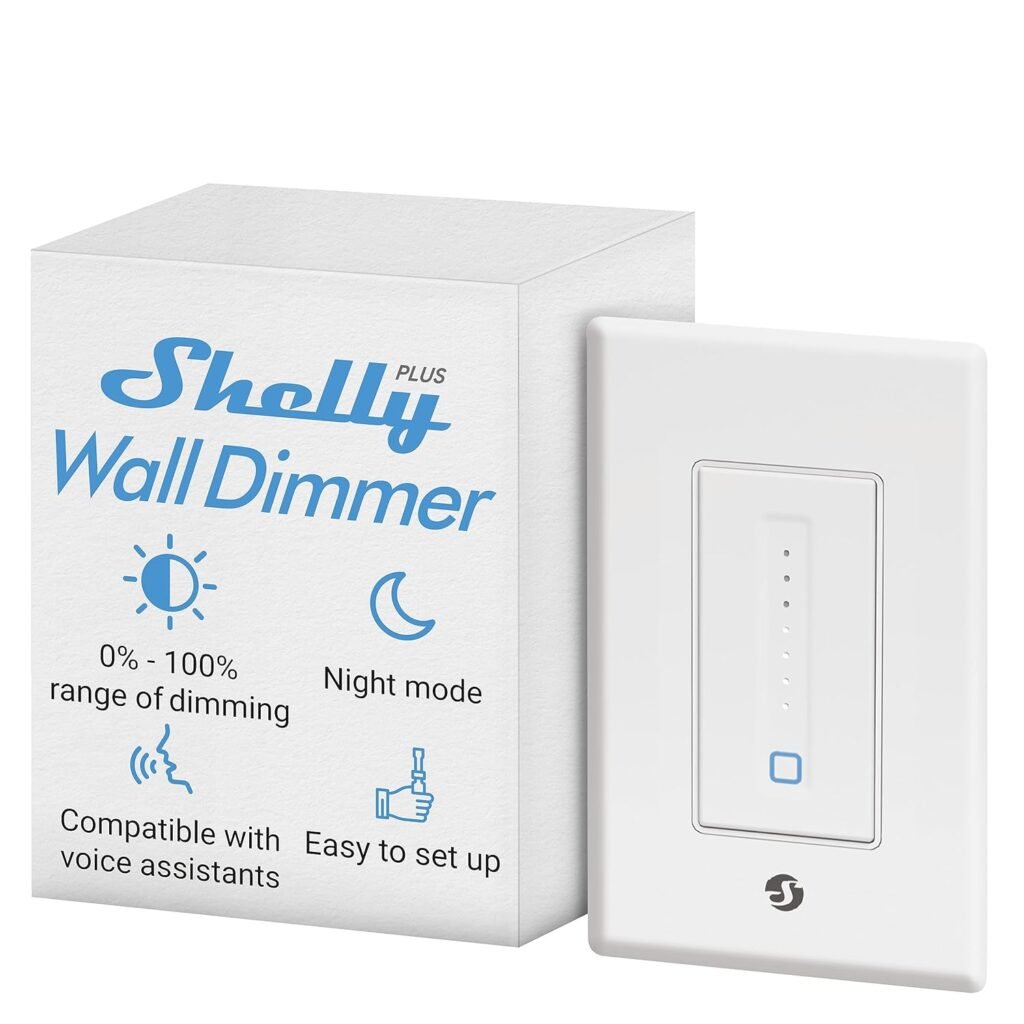
The professional solution is to install Smart Dimmers. Devices from brands like Lutron and Inovelli are the gold standard here. The intelligence stays in the wall, not the bulb.
Layer 2: The Secret Weapon (Internal Relay Disable)
This is where the engineering magic happens. High-end smart switches have a feature called Internal Relay Disable or Smart Bulb Mode.
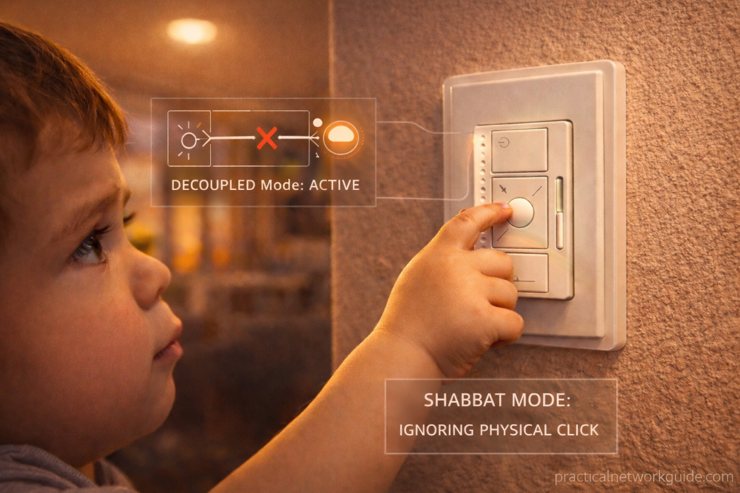
When you activate this mode through your local hub (which is the “brain” like the Hubitat we discussed in Part 2), the physical button on the wall is “decoupled” from the power. You can click the switch a hundred times, and the light will not change. This is the ultimate “ADHD-proof” solution. The switch ignores the human and follows the schedule you programmed.
Layer 3: The 2-Dollar Safety Net (Physical Guards)
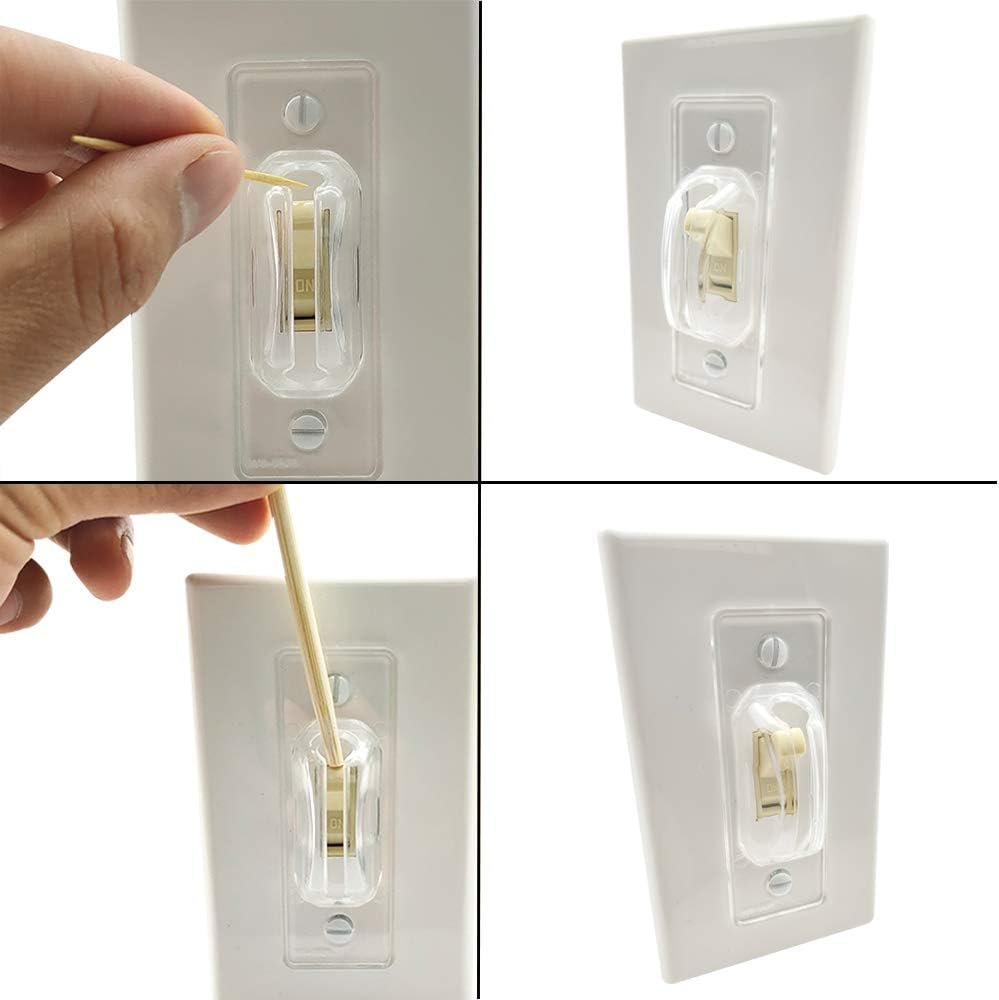
Even with the best software logic, sometimes you need a physical barrier, especially if you have guests or kids. I recommend installing Clear Switch Guards.
These are simple acrylic covers that screw over your existing switches. They prevent accidental flips while still allowing you to see the switch. It is a low-tech “Air Gap” that ensures your high-tech automation remains undisturbed.
The Astronomical Brain: Local Logic That Never Sleeps
The reason we use a local hub like Hubitat is the Astronomical Clock. You set your coordinates once, and the hub calculates the exact sunset time for every Friday of the year.
- No Internet Required: Even if your fiber line is cut, the hub knows when the sun goes down.
- Dynamic Dimming: Instead of a jarring “On/Off,” your home can slowly dim the hallway lights to 10% at midnight to act as a night light, then bring them back to 80% for lunch the next day. All without a single human touch.
Joe’s Verdict: Engineering Peace of Mind
What if your home knew it was Shabbat before you did? It sounds like science fiction, but it is just good engineering. By combining local logic, smart switches, and physical guards, you create an environment where you are free to focus on the ceremony and your family. You stop being the “Operator” of your home and start being its inhabitant.
Need Help Building This? Let’s Talk
My primary goal with this guide is to give you all the engineering knowledge you need to build a safe Shabbat smart home yourself. However, I know that dealing with electrical loads, local hubs, and automation apps can be overwhelming if you just want things to work flawlessly.
If you want the peace of mind of a professionally designed system without the headache of setting it up, I am here to help. Whether you need a quick remote consultation to double-check your hardware choices, or you want full guidance to design your entire home architecture, reach out to me.
[ Click here to visit my Contact Page ] and let’s build your perfect, stress-free day of rest together.