Spring is here. You want a lush, magazine-cover green lawn. Your spouse wants the flower beds to survive the summer heat. But nobody wants to wake up at 6:00 AM on a Saturday to drag a heavy rubber hose across the yard, and you certainly don’t want a water bill that looks like a car payment.
Welcome to the era of smart watering. By connecting your irrigation to the internet, the system checks the local weather forecast. If it’s going to rain tomorrow, it cancels today’s watering. It saves you money, saves the planet’s water, and keeps your grass perfectly green with zero effort.
But there is a catch: These systems are entirely dependent on your home Wi-Fi. And if you don’t set the network up correctly, your “smart” yard will quickly turn into a very expensive, very dumb puddle.
Here are the two best ways to upgrade to a smart lawn, and the engineer’s secret to making sure they never disconnect.
After you solve your sprinkles. Check how to maintain your landscape and spend more time with your family: Park the Tractor, Pilot the Grill: Why Smart Mowers Are the New Weekend King
Transparency Note: This article contains affiliate links. As an Amazon Associate, I earn from qualifying purchases at no extra cost to you. This helps support the blog.
Path 1: The $80 “Hacker” Fix (No Digging Required)
Who is this for? The 80% of us who don’t have expensive underground sprinkler pipes and refuse to pay a landscaping company $4,000 to dig up the yard.
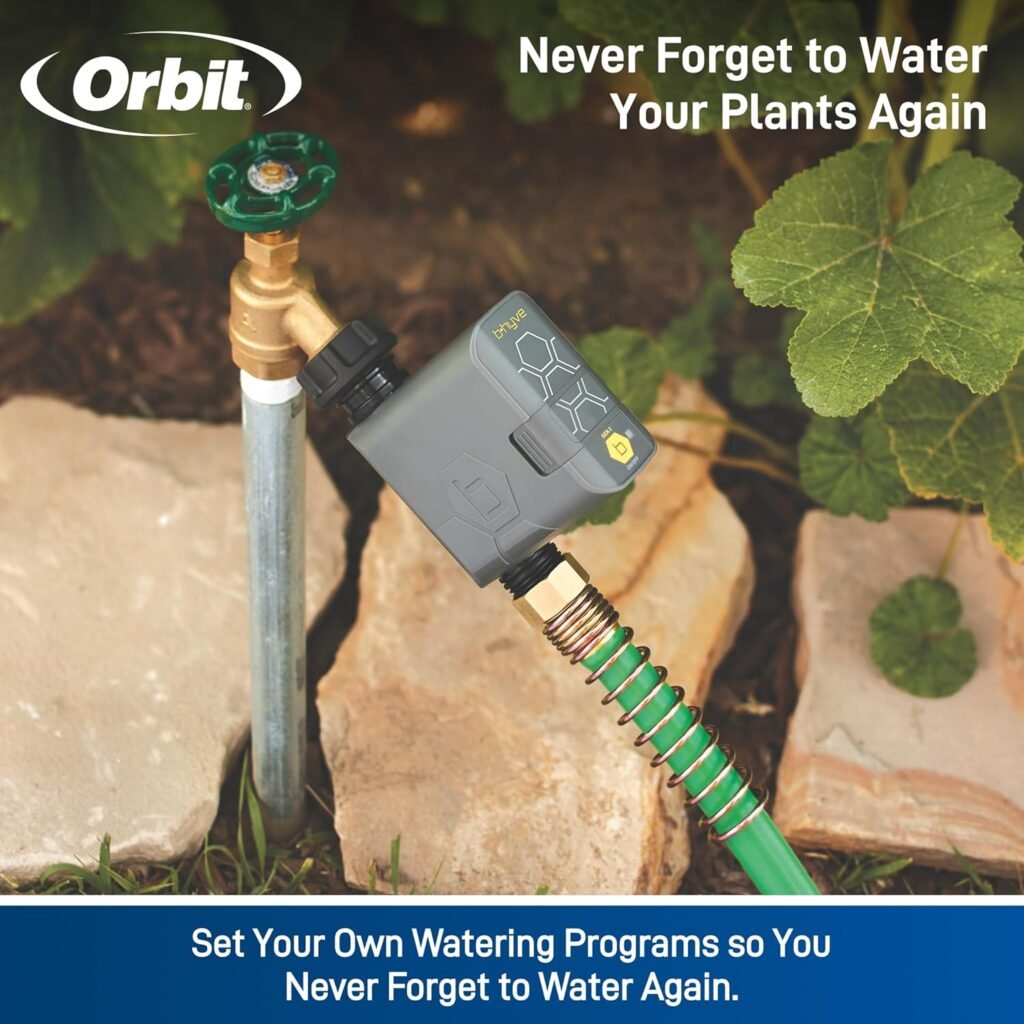
The Solution: The Smart Hose Faucet Timer.
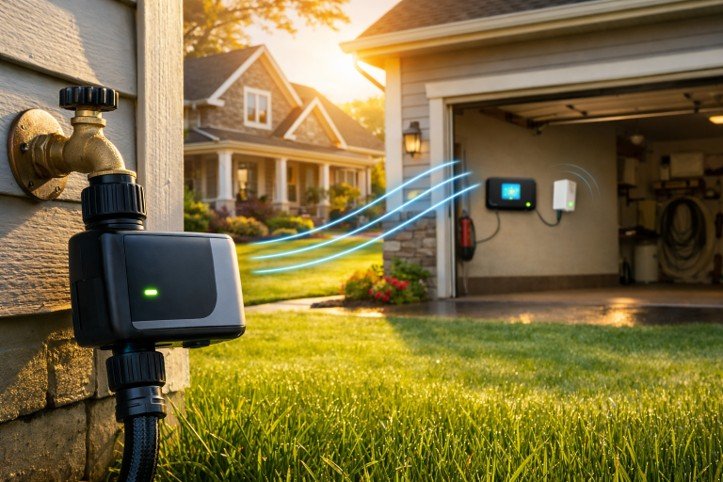
Instead of trenching PVC pipes, you simply screw a small, battery-powered smart valve directly onto your outdoor water spigot. You attach a regular garden hose and a cheap lawn sprinkler to it.
How it works: Think of this device as a tiny robot thumb. It pinches the hose shut all day. But because it talks to the weather satellites through your Wi-Fi, it knows exactly when the sun is hottest. When the grass gets thirsty, the robot lifts its thumb, lets the water flow for exactly 15 minutes, and then pinches it shut again. If it sees rain coming, it keeps the hose closed.
Path 2: The “Dumb Box” Swap (The Brain Transplant)
Who is this for? You bought a house that already has underground sprinklers, but the control box in the garage is an ancient plastic nightmare with a giant mechanical dial. It waters the lawn even while it’s pouring rain outside.
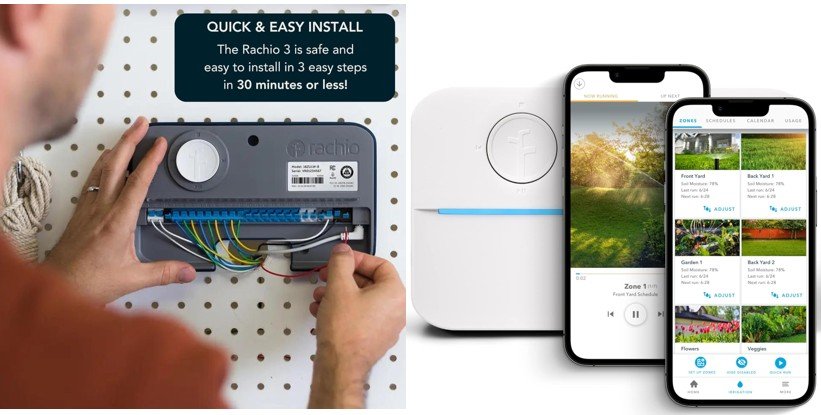
The Solution: The Smart Sprinkler Controller.
You don’t need to touch the pipes or the valves in the dirt. You are just doing a “brain transplant” on the wall. You unscrew the low-voltage wires from the old dumb box, plug them into a sleek new smart controller, and plug it into the wall outlet.
Now, instead of a mechanical dial, you control every zone of your yard from a beautiful app on your phone, and the system uses advanced weather data to save you hundreds of dollars a year on your water bill.
The Plot Twist: Why Your Wi-Fi is Failing Both Systems
Here is where the dream usually falls apart. You buy the gadget, install it, and three days later, the app says “Device Offline.” Why? Because of a networking enemy called Attenuation.
Let’s explain this simply. Imagine your Wi-Fi router is a flashlight. If you shine a flashlight through a clear glass window, the light passes right through. But if you try to shine that flashlight through a thick brick wall, a layer of house insulation, or a heavy metal garage door, the light is completely blocked.
Your outdoor smart timers and garage controllers are standing in the dark. The Wi-Fi signal from your living room router is being swallowed by the bricks and metal of your house. When the smart sprinkler loses the internet, it panics. It forgets the weather forecast and turns back into a “dumb box,” watering your lawn during a thunderstorm.
The Engineer’s Fix: How to Keep the Connection Alive
To fix this, you need to understand that smart yard gadgets only speak one language: 2.4GHz Wi-Fi. In the networking world, the 5GHz Wi-Fi band is like a Ferrari. Incredibly fast, but it can’t drive through mud or over walls. The 2.4GHz Wi-Fi band is like an old Jeep. It’s slower, but it can punch through brick walls and travel long distances.
Here is how to ensure your gadgets get a strong “Jeep” signal:
For the Hose Timer (Path 1)
These timers come with a small Wi-Fi “Hub” that plugs into an indoor wall outlet. Do not hide this hub behind your refrigerator! Plug it into an outlet right next to a glass window that has a clear line of sight to the outdoor spigot. Remember: the signal easily passes through glass, but dies hitting brick.
For the Garage Controller (Path 2)
Garages are Wi-Fi black holes filled with metal cars and electrical panels. If your smart controller keeps dropping offline, do not buy a cheap Wi-Fi repeater. Instead, use a Powerline Wi-Fi Extender.
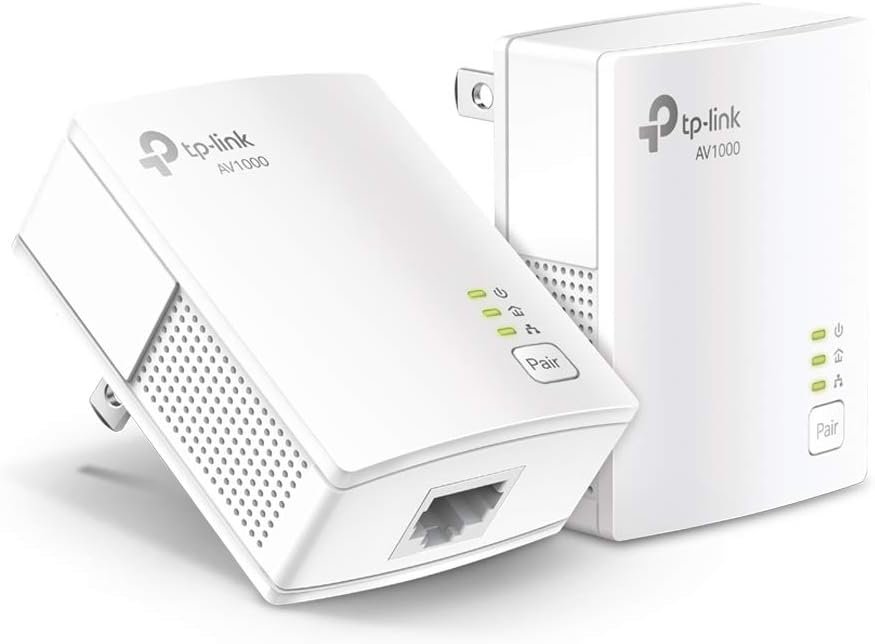
This brilliant little gadget uses your home’s existing electrical copper wiring to carry the internet straight from your router directly into the garage, bypassing the thick walls entirely. It turns your house’s power lines into a giant, invisible internet cable!
How to set it up (It’s as easy as snapping two Legos together):
- Take Block A from the box and plug it into a wall outlet right next to your indoor Wi-Fi router. Connect them with the included cable.
- Take Block B and plug it into a wall outlet out in the garage, near your smart sprinkler controller.
- Press the little “Pair” button on the boxes. Boom! Your garage now has perfect, strong Wi-Fi.
The Engineer’s Golden Rule: You MUST plug these blocks directly into the wall. Do not plug them into a power strip or a surge protector! Power strips are built to block “weird electrical noise.” If you plug the Wi-Fi extender into one, the power strip will think your internet signal is just bad electricity and kill it instantly. Wall outlets only!
If you need to improve your home internet, then don’t use Powerline Adaptors. Check this article: Stop Buying Wi-Fi Extenders: Why Mesh is the Only Real Fix (Engineer’s Verdict)
The Bottom Line
Upgrading to smart watering isn’t just about having a cool app, it is one of the few smart home devices that actually pays for itself. By cutting out wasted watering, an $80 hose timer or a $200 smart controller can easily save you enough on your water bill to cover its own cost in a single summer. Just make sure you give it the Wi-Fi connection it needs to do its job.